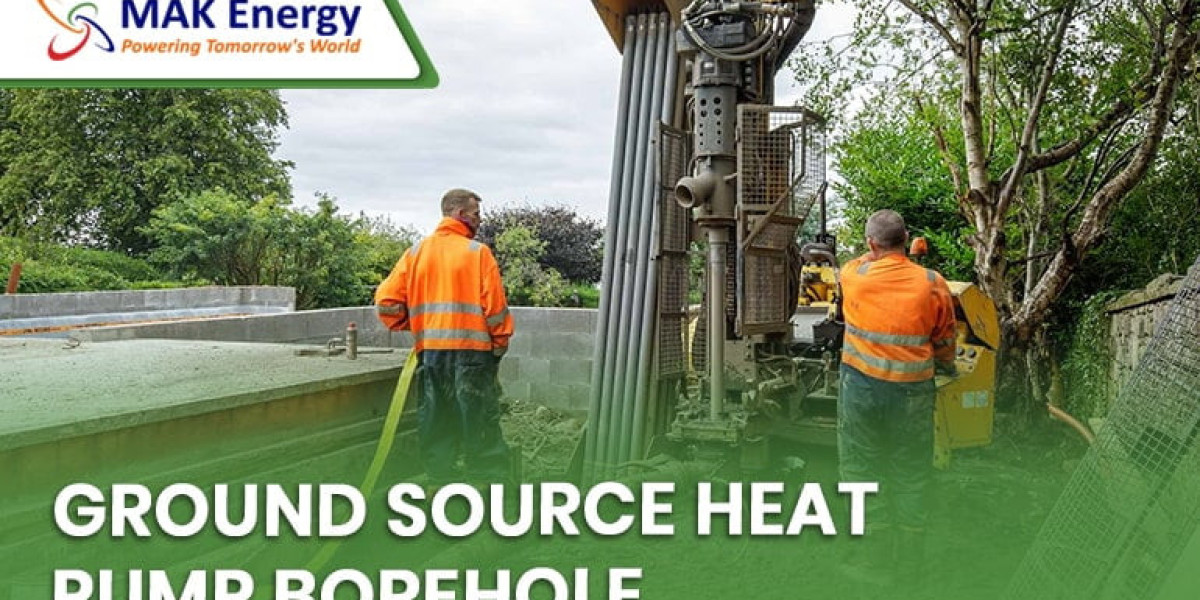

Understanding the GSHP borehole cost is essential for anyone considering a ground source heat pump (GSHP) system. A borehole is a key part of these systems, acting as the heat exchange pathway deep into the earth. Costs can vary widely depending on geology, depth, access, and installation choices. Mak Energy provides a complete and reliable guide to help homeowners, developers, and businesses plan effectively.
What Is a GSHP Borehole?
A GSHP borehole is a drilled hole in the ground that allows a ground source heat pump to extract heat from the earth. Unlike air-source systems, ground-source systems use consistent underground temperatures to provide heating, cooling, and hot water with high efficiency.
The borehole houses U-shaped pipe loops filled with a heat transfer fluid. As the fluid circulates, it absorbs heat from the ground in winter and disperses excess heat during summer. This process significantly reduces energy consumption compared to conventional heating systems.
Factors That Affect Borehole Cost
Several elements influence the GSHP borehole cost. Understanding these variables helps in estimating the true investment needed for a system.
Site Geology and Soil Type
Different soil and rock types have varying thermal conductivity. Soft, moist soils transfer heat well and are less expensive to drill. Hard rock requires more drilling time and specialized equipment, increasing costs.
Borehole Depth
Deeper boreholes provide better heat exchange but cost more. Typical depths range from 50 to 150 meters, but colder climates or higher heating demands might require deeper drilling.
Drilling Accessibility
Ease of access to the drilling site affects labor time and equipment requirements. Difficult terrain, limited access roads, or tight spaces can increase drilling charges.
Pipe Quality and Material
The piping used inside the borehole must be durable and corrosion resistant. Higher-quality materials often cost more upfront but offer longer life and fewer maintenance issues.
Local Regulations and Permits
Some areas require permits or environmental assessments before drilling. These additional requirements impact the total borehole cost, so planning ahead is important.
Typical GSHP Borehole Costs
While specific figures vary by location and conditions, the borehole component is one of the larger investments in a ground source heat pump system. It can account for 30–50% of the total GSHP installation cost.
In general terms, shallow boreholes in favorable soil might be more cost-efficient, whereas hard rock drilling is significantly more expensive. Mak Energy emphasizes that obtaining accurate site surveys and professional quotes is the best way to understand the exact borehole cost for each project.
Benefits That Offset Borehole Costs
It’s important to balance the upfront GSHP borehole cost with long-term savings and system efficiency.
Reduced Energy Bills
Ground source heat pumps can deliver heating and cooling at much lower running costs than traditional gas or electric systems. Homeowners commonly see significant reductions in annual energy expenses.
Long System Life
Boreholes are durable. With minimal maintenance, they can function effectively for decades, often matching or exceeding the lifespan of the heat pump itself.
Environmental Advantages
GSHP systems use renewable ground heat, reducing carbon emissions and reliance on fossil fuels. This makes them a strong choice for sustainable building projects and eco-friendly heating schemes.
Stable Performance
Because subterranean temperatures remain relatively constant throughout the year, GSHP systems with boreholes provide reliable heating in winter and cooling in summer.
Planning and Installation Tips
Before committing to drilling, consider the following:
Conduct a detailed geological survey of the site.
Compare quotes from multiple professional installers.
Evaluate long-term energy savings, not just upfront cost.
Check local regulations regarding drilling permits and environmental impact.
Choose reputable contractors to ensure safe and efficient installation.
Mak Energy recommends proper planning and professional input to avoid unexpected expenses and optimize system performance.
Conclusion
The GSHP Borehole Cost varies based on multiple factors such as soil type, depth, access, and local requirements. While it is a significant part of a ground source heat pump installation, the long-term energy savings, reduced emissions, and dependable performance often justify the investment. With expert guidance from Mak Energy, individuals and businesses can evaluate borehole requirements accurately and make confident decisions that meet both budget and sustainability goals.