
Why ERP Software Matters in Pakistan
Running a business in Pakistan is not easy. Companies deal with daily challenges like managing accounts, tracking inventory, handling staff, and keeping customers happy. When data is spread across files, registers, and different software, mistakes happen.
This is where ERP software in Pakistan becomes important. It helps businesses manage everything in one place. From finance to sales, from HR to inventory, ERP connects all departments. In short, it saves time, reduces errors, and improves control. That is why more Pakistani businesses are now moving toward ERP systems.
What Is ERP Software in Pakistan?
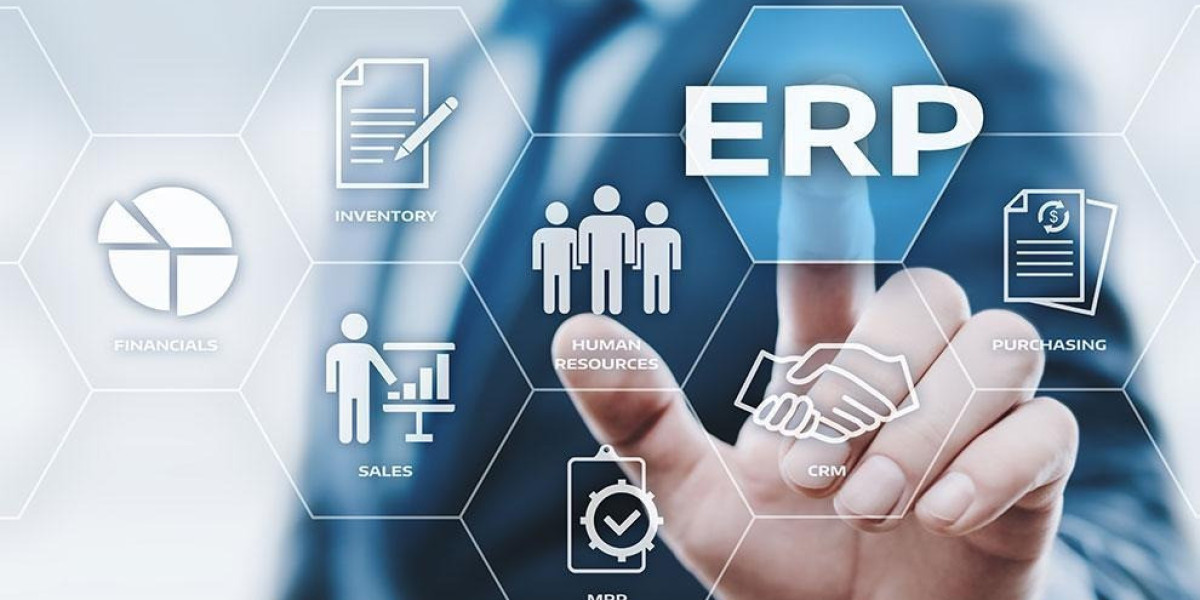
ERP stands for Enterprise Resource Planning. ERP software in Pakistan is a business system that helps companies manage their daily operations using one centralized platform.
Instead of using separate software for accounting, inventory, payroll, and sales, ERP combines all these functions. This makes work easier and more organized.
Simple Example
Imagine a retail store in Lahore:
Sales team enters an order
Inventory updates automatically
Accounts record the payment
Management sees reports in real time
All this happens inside one ERP system. No extra files. No manual updates.
ERP software in Pakistan is used by:
Small businesses
Medium enterprises
Large companies
Manufacturing units
Schools and hospitals
Benefits and Importance of ERP Software in Pakistan
ERP software is not just for big companies anymore. Even small businesses in Pakistan can benefit from it.
One major benefit is centralized data. All information stays in one system, which reduces confusion and duplication.
Another advantage is better decision-making. Managers can see reports instantly and understand what is working and what is not.
ERP also improves efficiency. Tasks that took hours can be completed in minutes.
Many businesses also use ERP for financial accuracy. It reduces manual errors and keeps accounts clean.
ERP helps companies scale easily. As the business grows, the system grows with it.
In Pakistan’s competitive market, ERP software gives businesses a strong edge.
How ERP Software Works in Pakistani Businesses
ERP software works by connecting different business departments into one system. Each department uses its own module, but all modules share data.
Step-by-Step Process
First, business data is entered into the ERP system. This includes products, customers, employees, and accounts. Next, each department works through its own dashboard. Sales teams record orders, accounts teams manage payments, and HR manages staff records.
The system updates everything in real time. If a product is sold, stock levels change automatically. Finally, management reviews reports and dashboards. This helps them plan better and avoid risks.
Practical Tips for Using ERP in Pakistan
Start with core modules like accounting and inventory. Add more modules later. Train staff properly. Even simple systems need basic training. Choose ERP software that supports local tax rules and business needs in Pakistan.
Common Mistakes and Myths About ERP Software
Many Pakistani businesses delay ERP adoption due to myths. These myths often stop growth.
Myth 1: ERP Is Only for Big Companies
This is not true. Many ERP solutions are designed for small and medium businesses in Pakistan.
Myth 2: ERP Is Too Expensive
ERP costs less than long-term manual mistakes. Cloud-based ERP systems are affordable and flexible.
Read this blog: POS Software Pakistan
Myth 3: ERP Is Hard to Use
Modern ERP software has simple dashboards and user-friendly designs.
Myth 4: ERP Takes Years to Implement
Many ERP systems can be implemented within weeks if planned properly.
Myth 5: ERP Replaces Employees
ERP does not replace people. It helps employees work faster and smarter.
Expert Advice and Market Insights
Business experts in Pakistan agree that ERP adoption is increasing every year. Companies that use ERP systems are more organized and competitive.
According to local IT industry reports, Pakistani businesses using ERP experience:
Faster reporting
Better inventory control
Improved financial accuracy
Experts suggest choosing ERP software that offers:
Local support
Customization
Cloud access
Data security
They also advise businesses to define goals before selecting an ERP system. Clear goals lead to better results.
ERP Software in Pakistan for Different Industries
ERP software is used across many industries in Pakistan. Manufacturing companies use ERP to track raw materials and production. Retail businesses use it for sales, stock, and billing. Educational institutions manage students, fees, and staff. Healthcare organizations track patients, billing, and inventory. No matter the industry, ERP software in Pakistan helps reduce manual work and improve transparency.
How to Choose the Right ERP Software in Pakistan
Choosing the right ERP system is very important. First, understand your business needs. Do not buy features you do not need. Second, check local compliance. ERP software should support Pakistani tax and business rules.
Third, consider scalability. Your ERP should grow with your business. Fourth, look for training and support. Good support saves time and money. Finally, always test the system before full implementation.
Conclusion
In today’s fast-moving business world, manual systems are no longer enough. ERP software in Pakistan helps businesses stay organized, efficient, and competitive. It connects departments, reduces errors, saves time, and improves decision-making.
From small shops to large enterprises, ERP offers real value. If you want your business to grow smoothly and professionally, investing in ERP software is a smart step. In short, ERP is not a luxury anymore. It is a necessity.