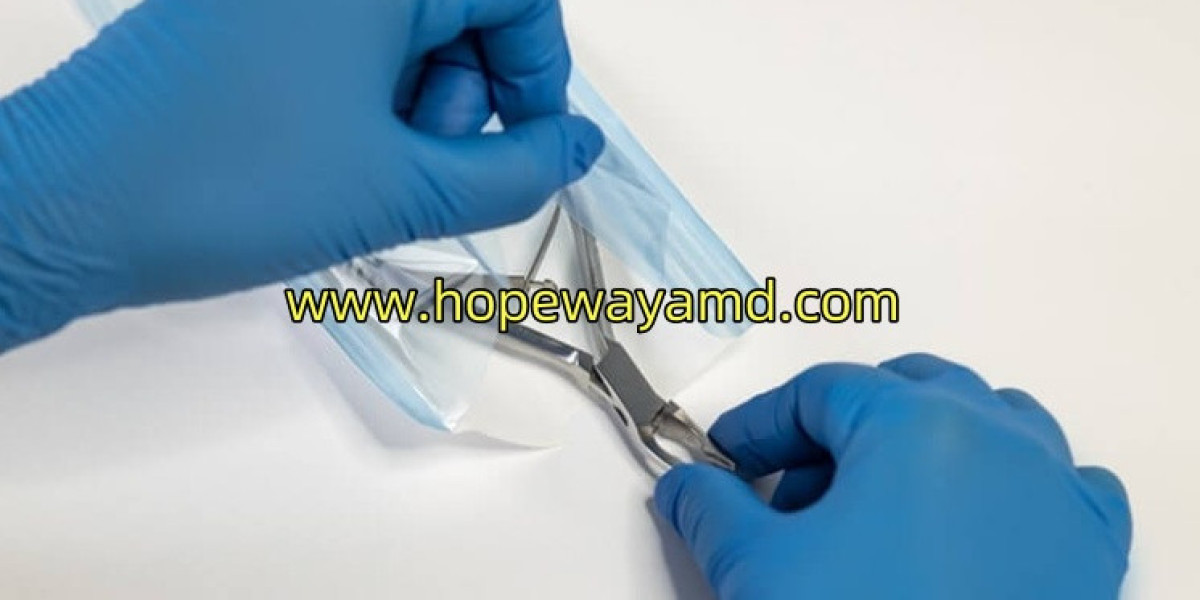

In many professional environments where preparation and order are closely connected, Sterilization Flat Roll often becomes part of routine discussions, and Hopeway AMD approaches this subject with a focus on practical alignment and calm material selection. Rather than emphasizing dramatic claims, attention is placed on how roll-based formats, handling simplicity, and adaptable use can support consistent workflows across different working settings.
Flat roll packaging formats are frequently appreciated for their flexibility. The ability to adjust packaging length according to specific needs allows teams to respond to varied tasks without introducing unnecessary complexity. This flexibility can help maintain organized processes while accommodating different contents and preparation styles within the same environment.
Workflow continuity is another important consideration. Packaging materials that integrate smoothly into existing routines help reduce interruptions and preserve familiar procedures. When staff can rely on materials that behave consistently during cutting, sealing, and storage, daily operations tend to flow with fewer adjustments. Over time, this reliability becomes part of an established rhythm.
Handling experience also shapes long-term acceptance. Materials that feel familiar during routine use allow users to develop steady habits. These habits support efficiency and reduce hesitation, especially in settings where multiple steps are performed repeatedly throughout the day. The value of such familiarity often grows quietly through regular use.
Storage and organization further influence how packaging is perceived. Roll formats that store neatly and remain manageable during movement help maintain order in shared spaces. This sense of control contributes to a calmer working environment, where materials support rather than complicate daily tasks.
As professional expectations evolve, broader perspectives increasingly influence packaging choices. Environmental awareness, sourcing considerations, and waste management are now part of many conversations. Thoughtful selection of materials can reflect an intention to balance operational needs with responsible practice, aligning everyday decisions with longer-term values.
Clear communication remains central to effective material use. When suppliers present packaging options with realistic context and intended applications, decision-makers can form accurate expectations. This transparency encourages informed choices based on suitability and compatibility rather than emphasis or assumption.
Industry conversations continue to shift toward balanced solutions that respect both function and responsibility. Packaging is no longer viewed as an isolated component, but as part of a connected system where small design decisions can quietly influence efficiency, clarity, and confidence.
For readers who prefer measured insight over strong claims, there is more perspective waiting beyond this page. Visit https://www.hopewayamd.com/news/industry-news/why-sterilization-flat-roll-matter-more-than-you-think.html and step into a space where practical thinking and everyday experience invite a closer look at packaging choices shaped by steady consideration.