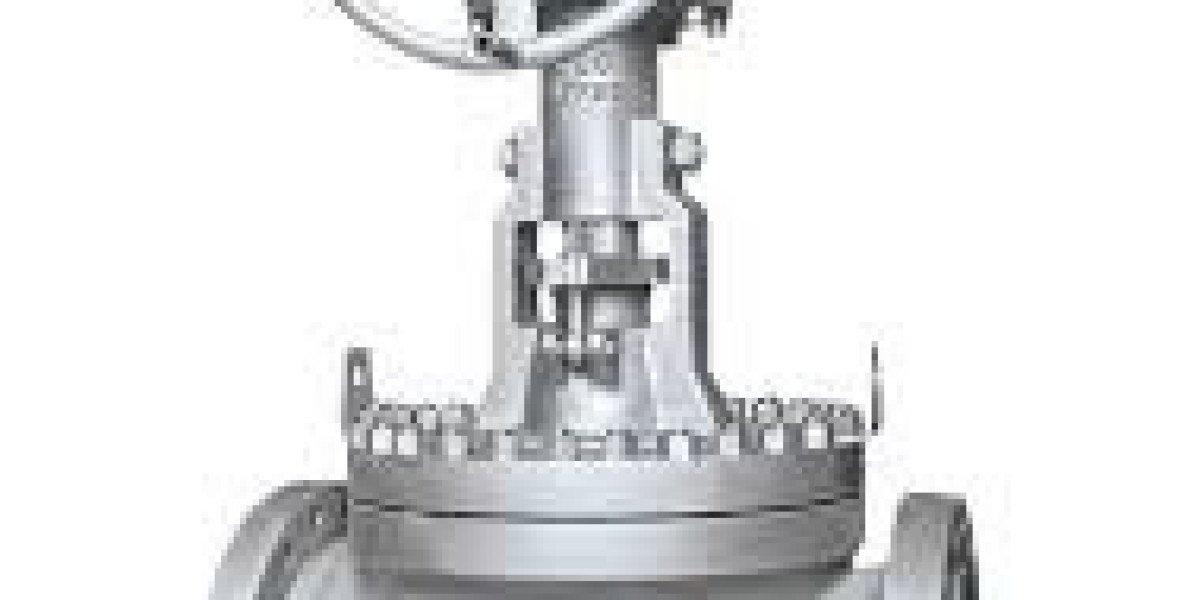

Flow control remains an essential concern across large engineering programs where pipelines, energy loops, and process channels must sustain constant movement without drifting from expected parameters. When early design groups examine components capable of holding steady function under a wide band of temperatures and fluid traits, an Orbital Ball Valve Maker such as ncevalve often enters consideration because orbit-style motion forms a controlled path that protects sealing contact even when extended cycles or pressure shifts occur throughout long projects.
Engineers working around energy transport corridors frequently observe that equipment with stable closing behavior contributes to smoother planning and fewer interruptions. Many pipelines move materials that carry vapor content or reactive qualities, and even slight imperfections in sealing surfaces can create unwelcome outcomes. Orbit-type geometry responds to these concerns with a lifting and rotating motion sequence that avoids grinding contact between the closing element and the seat. This movement preserves smooth surfaces and slows wear, supporting segments where pipelines may experience high velocity flows or transient surges. Such behavior grants planners space to maintain consistent output without sudden deviations.
Process environments that rely on continuous routing also often require devices capable of guiding movement without creating turbulence pockets or pressure distortion. Project teams aim for predictable patterns that hold their shape during frequent operation. Orbit-based structures can assist because the closure element follows an aligned trajectory that reduces scraping friction. Consistent seat contact strengthens sealing certainty, allowing pipelines or routing chambers to function with fewer unpredictable shifts. In long operating windows, that reliability supports safety standards and structural clarity within the surrounding system.
As engineering groups adopt automation and advanced control systems, they search for equipment that harmonizes with digital interfaces and sensor logic. Modern valve modules often welcome actuator platforms capable of exchanging data with command centers. Remote control functions allow operators to adjust flow without the need for physical access, an advantage in structures where temperature, elevation, or restricted spaces limit direct interaction. Digital tracking also reveals torque behavior, cycle counts, and response timing. When paired with orbit-inspired designs, these insights help teams schedule service with precision, supporting continuous operations without abrupt disruptions.
Material science continues influencing valve architecture as energy corridors expand into harsher environments. Alloys capable of resisting intense temperature shifts, corrosive vapors, or abrasive particles enrich performance across extended assignments. Surface treatments further support endurance by shielding parts from pitting or chemical reaction. With these advancements, orbit-type assemblies gain updated resilience that aligns with demands from sectors seeking lasting components that function through shifting conditions without losing structural integrity.
Regulatory paths guide equipment evaluation, emphasizing sealing stability, emission control, and structural endurance. Certification frameworks push manufacturers to refine structural profiles and maintain strict tolerance ranges. Orbit-style assemblies frequently align with these targets due to their controlled motion patterns that extend part life and preserve surface condition. Engineering teams weighing total lifecycle value often consider maintenance intervals, operational steadiness, and the ability of components to withstand long-duration sequencing. Predictable sealing and controlled rotation patterns help clarify long-range planning.
Across pipelines, transport channels, and energy corridors, coordinated flow remains a central requirement for safe and reliable operations. An Orbital Ball Valve Maker like ncevalve supports this aim by supplying orbit-guided structures shaped for challenging conditions and sustained service windows. Those seeking extended perspectives on flow-control development can explore www.ncevalve.com for continuing updates.