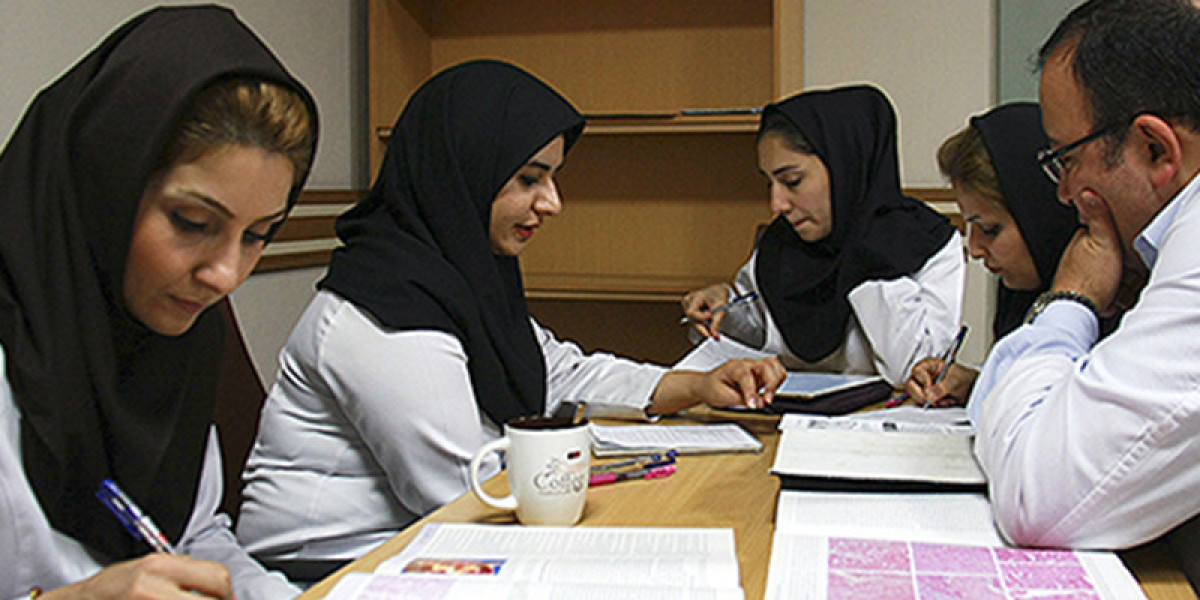

Studying MBBS in Uzbekistan has steadily gained attention among Indian and international medical aspirants who are exploring options beyond traditional destinations like Russia, Georgia, China, Bangladesh, or Eastern Europe. While each country offers its own advantages, Uzbekistan has started to stand out because of its balanced combination of affordability, academic structure, clinical exposure, safety, and ease of adaptation for Indian students. To understand what truly differentiates Uzbekistan, it is important to compare it thoughtfully with other popular MBBS abroad destinations and evaluate the factors that matter most in a medical career.
Academic Structure and Curriculum Comparison
One of the strongest aspects of MBBS education in Uzbekistan is its structured and discipline-oriented academic framework. Uzbek medical universities follow a curriculum that aligns closely with international medical education standards, covering pre-clinical, para-clinical, and clinical subjects in a logical progression. Compared to some destinations where academic quality varies widely between universities, Uzbekistan maintains a relatively uniform standard across government and recognized institutions.
In contrast, countries like China or Ukraine have faced inconsistency issues in curriculum delivery and language of instruction, which can affect learning outcomes. Georgia and some European countries offer strong academics but often follow teaching methods that may feel unfamiliar to Indian students. Uzbekistan’s curriculum, however, emphasizes clarity of concepts, regular assessments, and gradual clinical integration, which aligns well with the learning style expected in Indian medical practice and licensing exams.
Clinical Exposure and Hospital Training
Clinical exposure is a decisive factor when choosing an MBBS destination abroad. Uzbekistan offers students access to government and teaching hospitals with consistent patient flow, ensuring regular exposure to real clinical cases. Students gradually transition from observation to participation under supervision, which helps them build confidence in diagnosis, patient interaction, and case management.
When compared to destinations like Russia, where clinical exposure is strong but often delayed due to language barriers, Uzbekistan provides a smoother clinical transition. In some European countries, patient interaction may be limited due to strict regulations, while in China, language and cultural barriers can significantly restrict hands-on learning. Uzbekistan’s healthcare system allows international students to integrate more easily into hospital settings, making clinical learning more practical and effective.
Language of Instruction and Ease of Adaptation
Language plays a critical role in both academics and clinical training. In Uzbekistan, MBBS programs for international students are taught in English, reducing academic language barriers from the start. While basic knowledge of Uzbek or Russian is helpful during clinical postings, universities typically support students in gradually adapting to the local language.
Compared to Russia or China, where learning the local language becomes essential early on for clinical exposure, Uzbekistan offers a more gradual and manageable transition. This ease of adaptation allows students to focus more on medical learning rather than struggling with communication issues, especially during the early years of the program.
Affordability Compared to Other MBBS Destinations
Cost remains one of the most influential factors for Indian students studying abroad. Uzbekistan stands out because it offers a cost-effective MBBS pathway without compromising essential educational quality. Tuition fees in Uzbekistan are generally lower than those in Russia, Georgia, and most European countries, while living expenses remain modest and predictable.
In contrast, MBBS programs in Europe or the UK-aligned systems can be significantly more expensive, often placing financial strain on families. While Bangladesh offers curriculum similarity to India, its private medical colleges can be costly. Uzbekistan strikes a middle ground by combining affordability with quality, making it a sustainable option for middle-income families planning long-term medical education.
Safety, Living Environment, and Student Support
Safety and stability are major concerns for students and parents alike. Uzbekistan is considered one of the safer countries in Central Asia, with a stable social environment and low crime rates in student areas. Universities provide hostel accommodations with security and support services for international students, which helps ensure a smooth transition into a new country.
Compared to some destinations where political uncertainty or cultural unfamiliarity can cause concern, Uzbekistan offers a calm and disciplined atmosphere. Cities hosting medical universities are student-friendly, and the local population is generally welcoming toward international students, including Indians. This supportive environment contributes significantly to mental well-being and academic focus.
Cultural Compatibility and Lifestyle
Cultural adaptability often determines how comfortably a student settles into medical life abroad. Uzbekistan offers a conservative yet friendly culture that many Indian students find easy to adapt to. Daily life, food availability, and social norms do not feel drastically different or restrictive.
In comparison, some Western or East Asian countries may present cultural or dietary challenges that take longer to adjust to. Uzbekistan’s lifestyle allows students to focus on academics without feeling socially isolated, which is particularly important during a demanding course like MBBS.
Recognition and Career Pathway After Graduation
A major advantage of studying MBBS in Uzbekistan is the global recognition of its medical universities, provided they are approved by relevant medical authorities. Graduates are eligible to appear for licensing examinations such as FMGE or NExT in India, as well as other international exams depending on career goals.
When compared with destinations where graduates face difficulties due to recognition or inconsistent training standards, Uzbekistan offers a clearer and more reliable pathway back to Indian medical practice. The emphasis on clinical competence and conceptual clarity supports better preparation for licensing exams and internships.
Comparison with Popular MBBS Destinations
When placed side by side with Russia, Uzbekistan offers a simpler adaptation process, lower costs, and fewer language challenges, though Russia may have stronger research exposure in some institutions. Compared to Bangladesh, Uzbekistan provides more affordable tuition and a less competitive admission environment. Against Georgia and European countries, Uzbekistan stands out for its cost-effectiveness and practical clinical training, even if those destinations may offer more advanced infrastructure.
China offers large-scale medical education but often struggles with language and hands-on clinical limitations for international students. In this context, Uzbekistan’s balanced model of academics, clinical exposure, and student support gives it a practical edge.
Who Should Choose Uzbekistan for MBBS?
Uzbekistan is particularly suitable for students who want a structured medical education, steady clinical exposure, manageable costs, and a safe living environment. It fits well for aspirants who plan to return to India for medical practice or pursue postgraduate studies abroad after clearing licensing exams. Students who value practical learning and gradual professional development over flashy infrastructure often find Uzbekistan to be a strong fit.
Conclusion
Choosing an MBBS destination abroad is a long-term decision that affects academic growth, clinical competence, and career direction. When compared thoughtfully with other abroad destinations, Uzbekistan stands out for its balance of affordability, academic discipline, clinical exposure, safety, and cultural adaptability. It may not be the most glamorous option, but it is one of the most practical and student-oriented choices available today. For medical aspirants seeking a reliable, structured, and career-focused MBBS education abroad, Uzbekistan offers a pathway that is both realistic and rewarding.